STRAW BRIQUETTE MACHINE
Transform straw into a new form fuel briquettes and add an engine for increased income, turn straw into gold, compress waste into wealth.
STRAW BRIQUETTE MACHINE FOR SALE
Turn those troublesome straws into a continuous source of clean energy and get extra income.
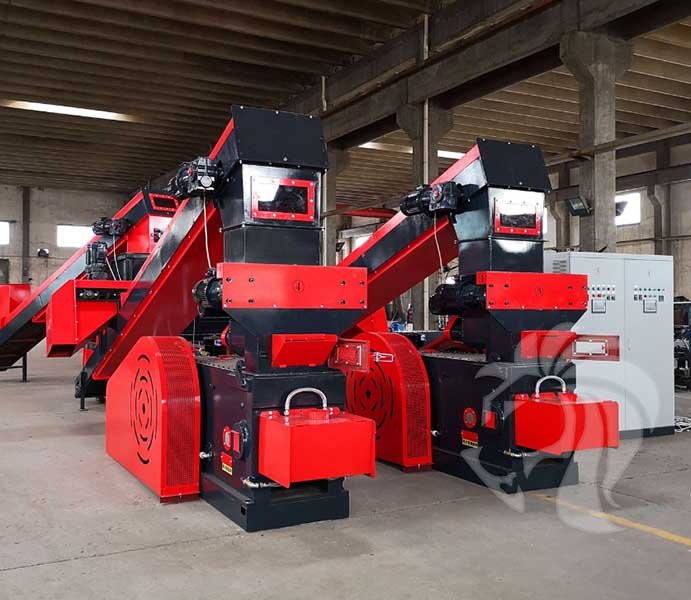
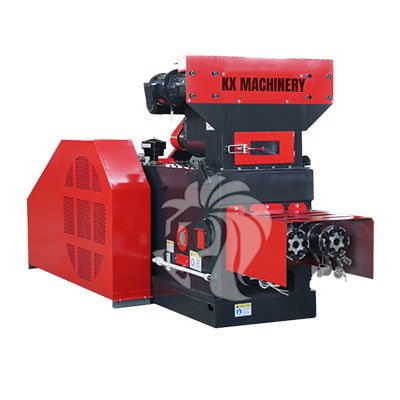
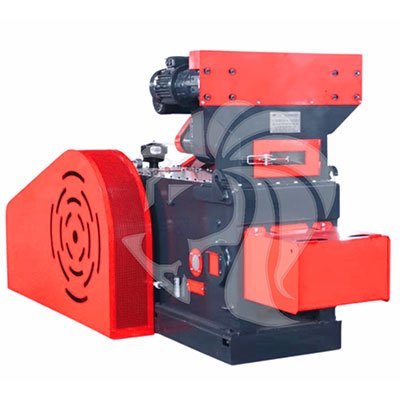
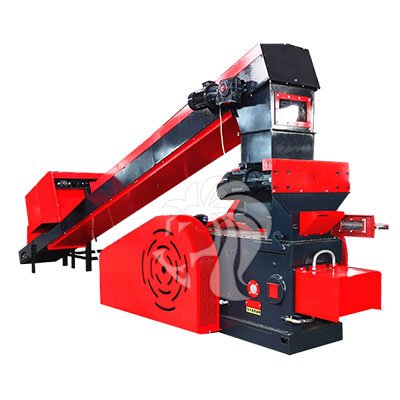
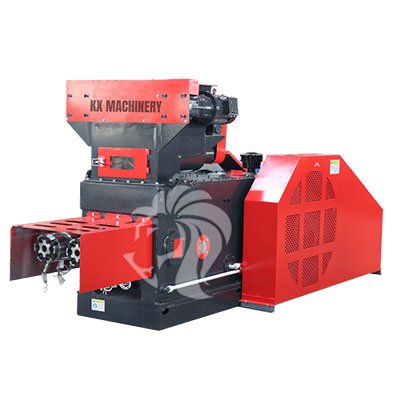
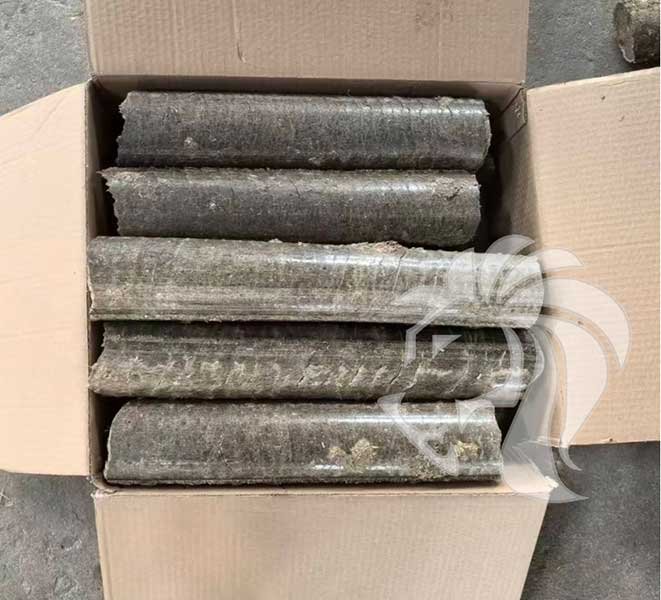
The straw briquetting machine is an environmentally friendly mechanical machine, which compresses waste corn stalks, rice straw, wheat straw, and some other crop straws into high-density cylinder-shaped fuel or feed briquettes through pretreatment such as crushing, drying, and briquetting. It can effectively solve the environmental pollution problem caused by straw burning, and also turn straw into green fuel, bringing considerable economic benefits to farmers and enterprises
STRAW BRIQUETTING MACHINE TYPES

Paddy Straw Briquette Machine
Paddy straw briquetting machines are used to compress pulverized rice straw into fuel briquettes, primarily for use as fuel in power plants.

Wheat Straw Briquette Machine
The briquettes produced by wheat straw briquetting machines are mainly used by the farms, and can be used as animal bedding briquettes.

Corn Straw Briquette Machine
The briquettes produced by corn stalk briquetting machines can be used as fuel or as a high-quality animal feed.

Sugar Cane Briquette Machine
The main raw material for sugarcane briquetting machines is bagasse, a byproduct of sugar mill. Bagasse briquettes is widely used in Kenya market.

Cotton Staw Briquette Machine
Cotton stalks need to be crushed in grinders and hammer mill before using by cotton stalk briquetting machines.
IS STRAW BRIQUETTE BUSINESS PROFITABLE?
Before investing in a straw briquetting production line, we must first explore the question: is the straw briquetting business profitable?
To answer this, where is the market for straw? Most straw briquettes are actually used as fuel, but due to their high ash content, they cannot be used in small boilers and are mainly used by biomass power plants. However, power plants, due to their large demand, will not offer favorable terms regarding briquetting prices and payment terms.
Therefore, to achieve better profits, the following points need to be considered:
1. Choose a briquetting machine with the lowest energy consumption. Since straw briquettes are generally cheaper than wood briquettes, minimizing production costs helps maintain higher profits and makes it easier to secure orders from power plants. Piston-type briquette machines are the most energy-saving briquette machines in the market you could find.
2. Obtain large quantities of dry straw through sun-drying as much as possible. Avoid adding drying equipment unless necessary. This is mainly because dryers have a large space needed and higher drying costs. The straw briquettes is price-sensitive market; adding dryers will increase production costs, hindering future market development.
3. Choose the right straw crushing machine for high output and low operating costs. Almost all straw needs to be crushed before it can be used. During crushing, the low bulk density and loose texture of straw reduce the output of the crusher, making the selection of suitable crushing equipment crucial.
KX MACHINERY has extensive experience in straw briquetting and pelleting projects. Please contact us if you require any technical support.
The straw briquetting machine can increase the density of straw briquettes to 1.3 g/cm³, which is more than ten times the density of the raw material. In the video, we used pulverized corn stalks; the briquettes are 75 mm in diameter, and the finished product length is adjustable.
HOW DOES A STRAW BRIQUETTE MACHINE WORK?
In the field of industrial design, KX MACHINERY firmly believes that simplicity is best. Therefore, the working principle of the stamping-type straw briquetting machine is very simple.
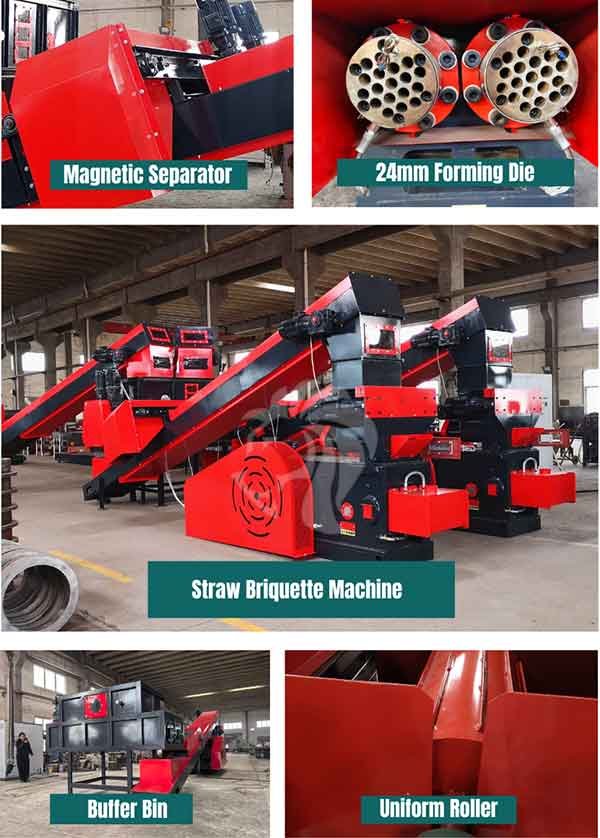
The main motor drives a flywheel via a belt conveyor. The flywheel, through connecting rods and cams, drives the main shaft inside the machine housing in a reciprocating motion. However, unlike the single-shaft designs of briquetting machines in India and Europe, KX MACHINERY invented a dual-shaft design with two molds. This allows us to increase the actual output of the briquetting machine by more than 1.5 times. Raw materials are fed into the forming cavity of the briquetting machine via an automatic feeding device. Small punches and plungers driven by the main shaft press the raw materials into the mold. Straw or other raw materials are formed into high-density fuel briquettes under high-temperature, high-frequency pressing.
Compared to the roller design of ring die briquetting machines, the stamping-type briquetting machine consumes significantly less energy, mainly due to the inertial pressing design of the two flywheels and the dual-shaft, dual-mold design.
Please contact us if you would like to learn more about the machine details.
HOW TO MAKE A BRIQUETTE PRESS?
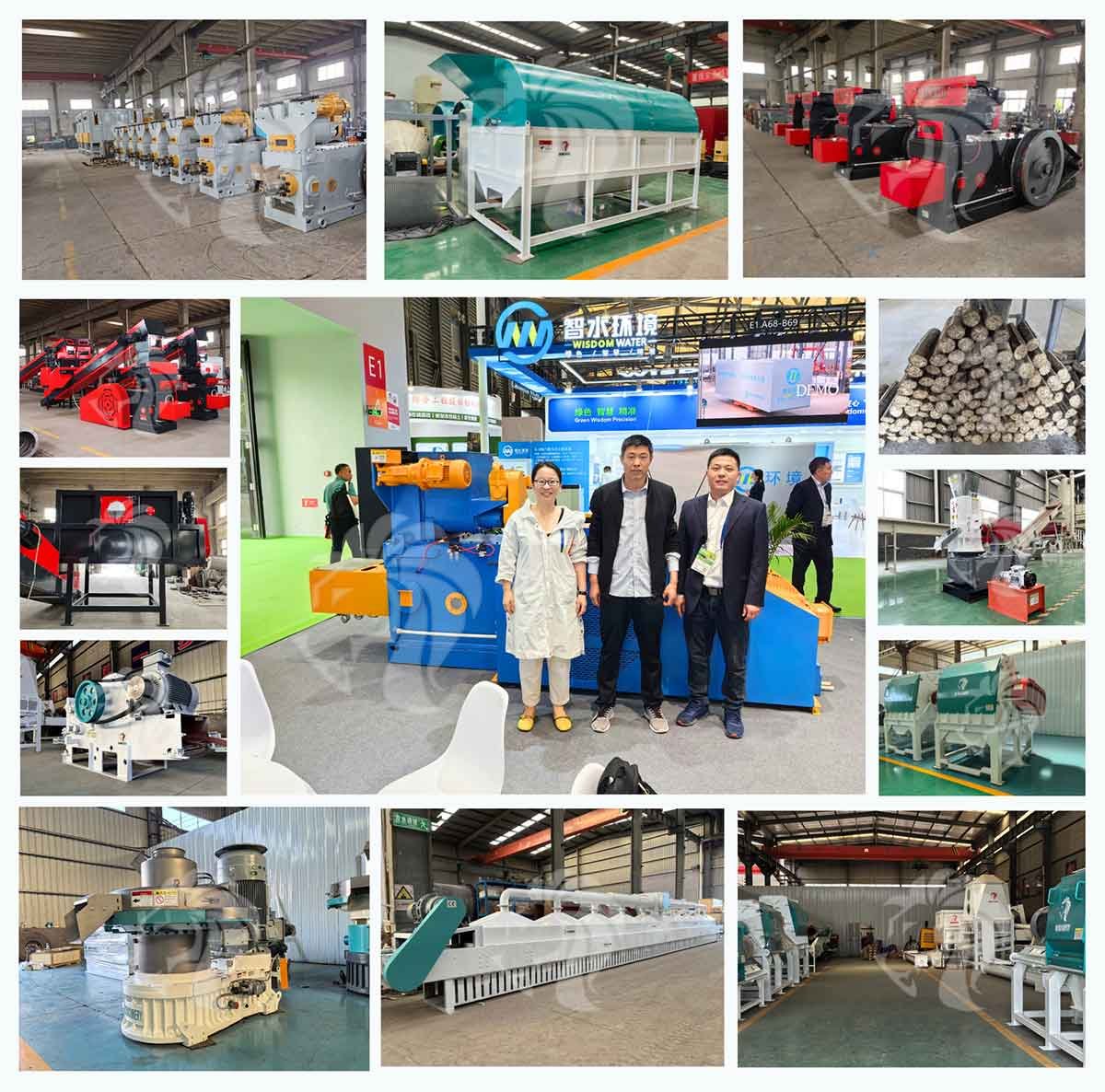
A good briquetting machine stems from excellent design and meticulous production management. A briquetting machine is essentially a customized production machine based on the raw materials used. This is because many customers use completely different raw materials, including material size, moisture content, production volume requirements, required briquetting diameter, briquettes length, and intended market. All these diverse factors necessitate customization.
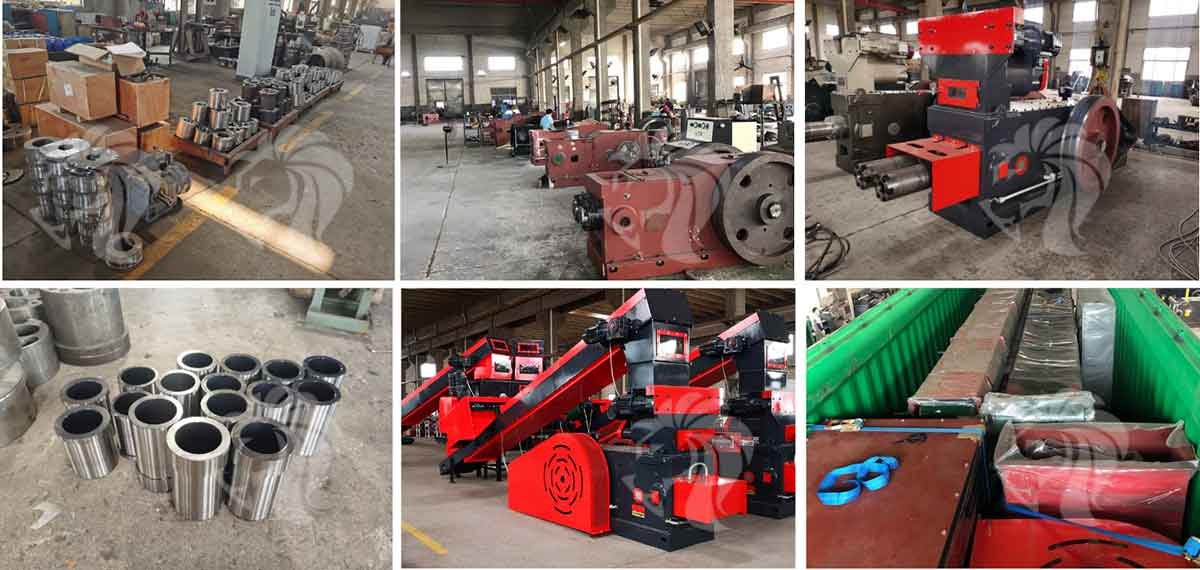
For every briquetting machine order, we optimize the design based on the customer’s raw materials before production. The machine molds are designed first, then manufactured, and undergo internal testing. Mass production only begins after successful testing, significantly reducing the probability of problems encountered during local testing by our customers.
Each of our machines undergoes several hours of testing before leaving the factory. For some special raw materials, we even conduct trial runs with the same raw material, as we highly value our customers’ trust.
TECHNICAL PARAMETERS
| MACHINE MODEL | MOTOR | CAPACITY | MACHINE WEIGHT |
|---|---|---|---|
| KX-LM500 | 22KW | 300-500KG/H | 3,200KGS |
| KX-LM1000 | 45KW | 600-1,000KG/H | 6,000KGS |
| KX-LM2000A | 55KW | 1,000-1,500KG/H | 9,000KGS |
| KX-LM2000B | 75KW | 1,300-2,000KG/H | 10,000KGS |
HOW TO MAKE BRIQUETTES FROM THE STRAW OR AGRICULTURE WASTE?
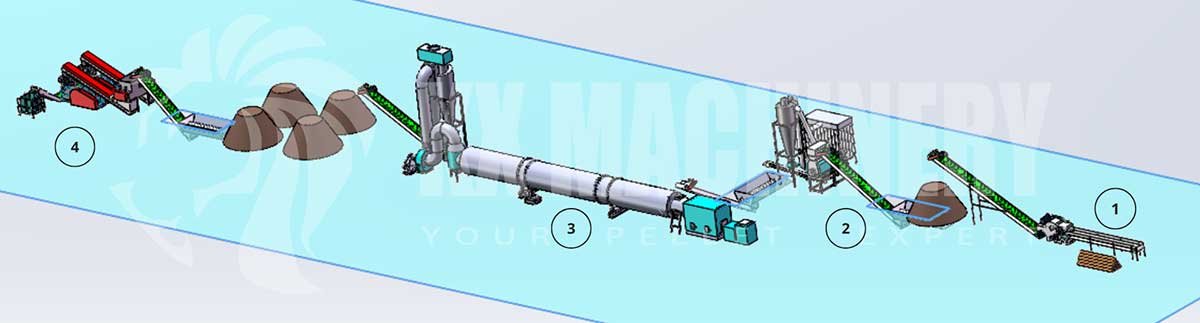
The production of straw briquettes requires a complete straw briquette production line, not just a single straw briquette machine. That’s because straw cannot be used directly and needs to undergo two crushing processes. However, straw does not need to be dried because its moisture content is usually below 20%, with the exception of bagasse, which has a moisture content of over 70%. Therefore, bagasse requires drying. The following is a process flow description of a complete straw briquette production line.
① Straw Crusher or Grinder
The choice of straw crusher depends on the baling method of straw. If they have already been baled, we recommended you use a straw shredder or a Tub Grinder, because the feed opening is large and the crushing efficiency is higher, and a grab feeder can be used directly to improve the efficiency. If the straw is in bulk, you can use our special developed straw crusher, which can operate stably whether the straw is wet or dry.
② Straw Hammer Mill
Second time crushing of straw is not a hard task, but how to crush straw efficiently is a challenging task. This is because the density of straw after primary crushing is very low and it is loose, which makes it easy to face the problem of low crushing output if using standard models. To address this problem, we have specially developed a straw hammer mill that can more efficiently meet the crushing output requirements.
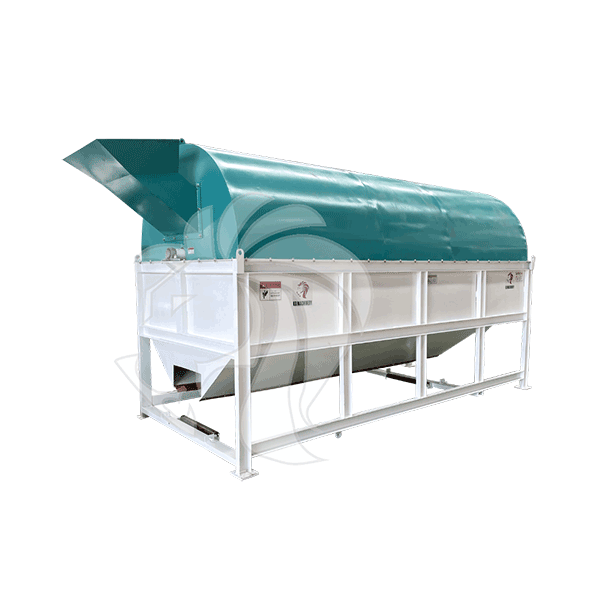
③ Straw Dryer
Most straw doesn’t need drying, but sugarcane bagasse is an exception. Fresh sugarcane bagasse has a moisture content of over 70%, making sun-drying inefficient and unable to meet large-volume production demands. We designed and developed a stacked dryer specifically to handle this high-moisture raw material. More details…
④ Straw Briquette Machine or Straw Pellet Mill
With proper mold design, straw briquetting machines or straw pellet machines can produce high-density fuel briquettes or pellets. The primary concern is how to operate them efficiently and stably, minimizing production costs. We have extensive experience in improving machine output.

KX MACHINERY - YOUR PROFESSIONAL STRAW BRIQUETTE MACHINE MANUFACTURER
With over 16 years of experience in straw briquetting machine manufacturing, KX MACHINERY focuses on providing equipment with lower energy consumption and more stable operation, and offers excellent after-sales service, making it your most professional and trustworthy partner.
FREQUENTLY ASKED QUESTIONS
How to start a briquettes business?
Sufficient and high-quality raw materials are the foundation for this project to begin. If you have enough raw materials, then our next step is to suggest that you research the local fuel market. If the prices of coal, natural gas, or diesel are high, then you can consider discussing the possibility of cooperation with large local fuel users.
What is the price of wheat straw briquettes?
The price of wheat straw briquettes usually depends on the local fuel market. You can inquire about the price of local sawdust briquettes or pellets. The price of wheat straw briquettes is usually about 80% of the price of sawdust fuels, but this can only be used as a reference. The actual situation needs to be analyzed on a case-by-case basis.
Can I make my own straw briquettes?
If you are planning to use the straw briquette maker at home, we do not recommend making briquettes, as very small straw briquette machine are difficult to operate stably, mainly due to the fiber characteristics of the working principle. If you want to produce fuel from straw at home, we suggest you try making straw pellets, which are a better option considering both purchase cost and ease of operation.
How many briquettes per kg?
For straw briquettes used in home fireplaces, we usually bundle them into a bag of four, which weighs about 10 kilograms, with a diameter of 70 millimeters and a length of about 300 millimeters.
What are the raw materials for briquettes?
Straw briquetting machines can use a wide variety of raw materials, including corn stalks, wheat stalks, barley stalks, palm leaves, coconut shells, hollow palm fruit bunches, rice husks, and rice straw. Almost all garden waste can be converted into fuel briquettes. However, different raw materials have different compression ratios, so we usually only select 2-3 raw materials to use.
How long do briquettes burn?
The burning time of fuel briquettes depends primarily on their diameter, density, and the environment in which they are used. Briquettes used in home fireplaces typically burn for 1-2 hours, while fuel briquettes used in boilers or power plants do not require particularly high density and usually have a shorter burning time.
Who buys briquettes?
Large power plants, cement plants, and large boiler users are all users of straw briquettes. If you use wood sawdust as fuel, the market for wood briquettes is much larger, and they can be used for home heating, hotel heating, and more. Straw briquette press can be changed to sawdust briquette machine only by changing the forming die parts.
What is the straw briquette machine price?
The price of a straw briquetting machine mainly depends on the output. A small briquetting machine price is between 25,000 and 30,000 USD, but this also depends on the type of straw you need and whether pre-treatment is required. You can contact us for a detailed plan.
Related Machine
CONTACT US NOW
We are one of the most professional pellet mill and briquette machine manufacturers with more than 20 years experience. You are welcome to contact us to discuss more details.
- The best design & quality machines
- Quick reply within 2 hours
- Provide the best proposal within 72 hours.
- Free test run service for special raw materials
- Detailed case analysis, make you know briquette machines soonest.